
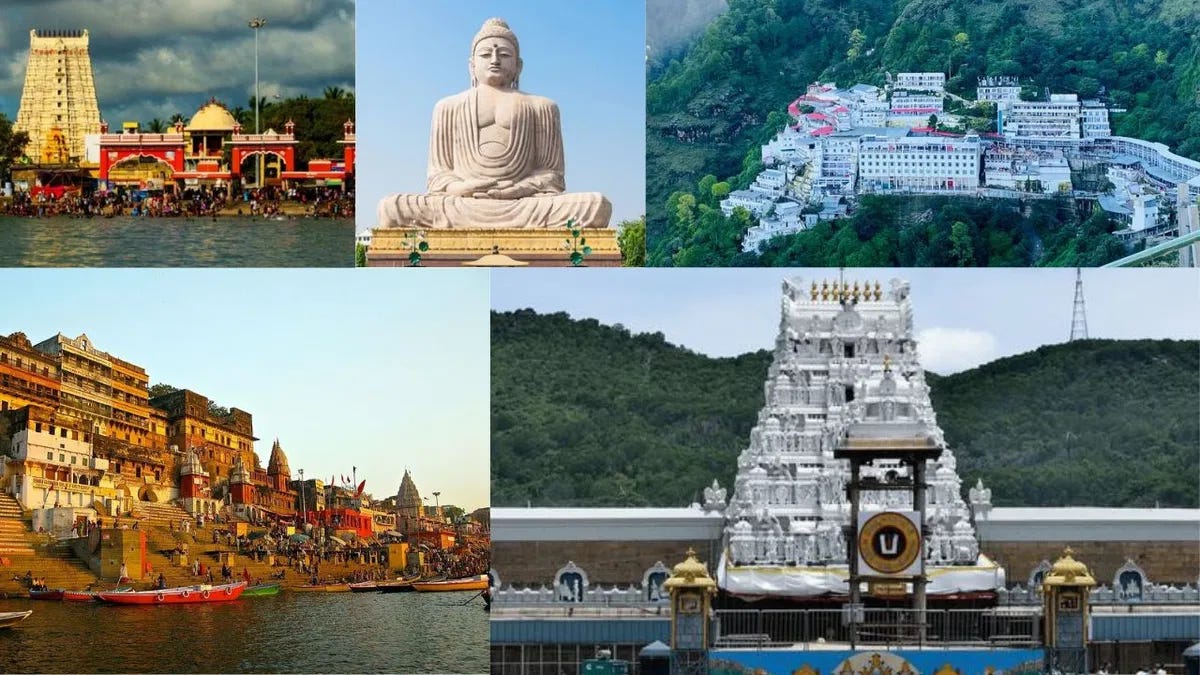
Why Should You Embark on a Pilgrimage: The Spiritual and Personal Benefits
A pilgrimage is more than just a journey to a sacred destination....
Why Should You Embark on a Pilgrimage: The Spiritual and Personal Benefits
A pilgrimage is more than just a journey to a sacred destination. It's an ancient tradition practiced by millions of people across cultures and religions, offering profound spiritual and personal benefits. Whether it’s traveling to the holy temples of India, walking the Camino de Santiago in Spain, or visiting Mecca for Hajj, embarking on a pilgrimage offers more than just the opportunity to pray—it’s a chance to transform your life, deepen your faith, and reconnect with your inner self. Here are some reasons why you should consider embarking on a pilgrimage.
1. A Journey of Spiritual Renewal
The primary reason for undertaking a pilgrimage is spiritual renewal. For centuries, pilgrims have traveled to sacred sites to seek divine blessings, deepen their faith, and strengthen their connection with the higher power they believe in. Pilgrimages offer a chance to reflect on your spiritual life, re-align your purpose, and emerge with a renewed sense of inner peace and faith.
2. A Chance for Personal Reflection
Pilgrimages often take you on long, introspective journeys. Away from the distractions of everyday life, you’re given time and space to reflect deeply on your life’s purpose, your relationships, and your goals. The solitude and quietness, combined with the sacred surroundings, help you find clarity in your thoughts, leading to personal growth. Whether you walk in silence or in prayer, each step offers an opportunity to look inward.
3. Connecting with a Larger Spiritual Community
Pilgrimages bring people together. As you walk toward a sacred site, you’ll often meet fellow travelers who share the same spiritual journey. This sense of community—whether it’s fellow pilgrims from around the world or people from your own tradition—provides a deep sense of connection. Pilgrims often come together for prayer, meditation, and reflection, creating bonds that last long after the pilgrimage ends. It’s a reminder that you are part of something much bigger than yourself.
4. Physical and Mental Cleansing
A pilgrimage often involves physical exertion, whether it's walking miles, climbing mountains, or enduring harsh conditions. This physical challenge cleanses the body, improving fitness and overall health. Many pilgrims report feeling mentally and physically rejuvenated after completing their journey. The challenges faced along the way also teach resilience and mental strength, helping you grow spiritually and emotionally.
5. A Deep Connection with Nature
Pilgrimages often take you through breathtaking natural landscapes—rolling hills, mountains, forests, rivers, and lakes. These natural surroundings offer a powerful sense of awe and reverence. Nature’s beauty has long been a source of inspiration for spiritual growth, and pilgrimages allow you to immerse yourself in this tranquility. Whether it’s walking along the Ganges River or hiking through the serene forests of Japan, nature becomes an extension of your spiritual journey.
6. A Path to Self-Discovery
A pilgrimage is not only a journey toward a sacred destination; it’s also a journey toward yourself. As you walk along the path, you’ll face obstacles—physical, mental, and emotional. It’s in overcoming these challenges that you’ll discover inner strength, patience, and humility. Pilgrimages often push you to confront fears, doubts, and unresolved emotions, helping you break through personal barriers and achieve personal growth.
7. Cultural Immersion and Exploration
Beyond the spiritual and personal growth, a pilgrimage also provides an opportunity to immerse yourself in the culture and history of the place you are visiting. Many pilgrimage sites have rich cultural traditions, vibrant festivals, and deep historical significance. Whether you’re visiting temples, shrines, or holy cities, you’ll gain a deeper understanding of the local customs, history, and people, enriching your journey.
8. A Sense of Accomplishment
Completing a pilgrimage—especially one that requires significant physical effort—gives a deep sense of accomplishment. Reaching the destination after a long, challenging journey provides a sense of pride and fulfillment. It’s a testament to your determination and commitment to your spiritual path. Pilgrims often feel a strong sense of achievement, not only for completing the journey but for having followed through on their spiritual intentions.
9. Healing and Transformation
For many, pilgrimage serves as a form of healing. Whether you're dealing with grief, personal loss, or emotional struggles, the pilgrimage experience can provide profound emotional and spiritual healing. The rituals, prayers, and reflective time spent at sacred sites help you release pain, seek closure, and find peace. Many pilgrims report feeling lighter, more peaceful, and more grounded after their journey.
10. Gratitude and Humility
Finally, pilgrimage fosters a deep sense of gratitude and humility. The journey reminds you of your own limitations, your place in the world, and the vastness of the divine. It’s a humbling experience that helps you recognize the value of life’s simple blessings and gives you a new perspective on what truly matters. Pilgrims often return home with a renewed sense of gratitude for their health, relationships, and the opportunities they have.
Conclusion
A pilgrimage is much more than a physical journey to a sacred destination—it’s a transformative experience that touches the soul. It offers a unique opportunity to deepen your faith, reflect on your life, and find personal healing. Whether you embark on a pilgrimage for spiritual reasons or as a way to connect with nature and others, the experience will leave an indelible mark on your heart and mind.
If you're seeking a journey of self-discovery, spiritual growth, and inner peace, a pilgrimage might be just what you need. Pack your bags, prepare your heart, and set off on a journey that promises to change you forever.